DMX Lighting Control is the Language Behind Lighting.
When you see an impressive stage lighting setup that changes dynamically, there’s a sophisticated system behind it. This system manages the colors, lighting movements, and brightness levels. This system is known as DMX lighting control.
In this guide, we will explore the main concept of DMX systems, how they function, and the essential components required for reliable lighting performance.
What Is DMX?
DMX (Digital Multiplex), is the industry-standard communication protocol used to control lighting equipment and effects in entertainment, event, and architectural lighting systems.
A DMX lighting control system allows a single controller to communicate with multiple devices, sending commands that determine how each fixture operates. These commands can control functions such as brightness, color, movement, strobe effects, and timing.
Common DMX-compatible devices include:
- Moving head lights
- Wash lights
- LED fixtures and LED strips
- Spotlights and beam lights
- Fog and haze machines
- Strobe lights and special effects equipment
By using DMX, lighting designers can create coordinated lighting effects that enhance performances, events, and visual installations.
How DMX Works
A DMX lighting control system works by sending digital signals from a DMX controller to connected lighting fixtures through DMX cables. Each fixture is assigned a unique DMX address, allowing the controller to communicate with it individually.
The controller sends instructions that determine how each fixture should behave, including:
- When to turn on or off
- Brightness and dimming levels
- Colors and color-changing effects
- Movement and positioning for moving lights
- Strobe effects and other programmed functions
Because all devices receive commands in real time, DMX makes it possible to synchronize multiple fixtures and create coordinated lighting effects across an entire lighting system.
Key Components of a DMX Lighting Control System
A DMX lighting control system consists of several essential components that work together to create synchronized lighting effects. Understanding each component can help you design, troubleshoot, and expand your lighting setup more effectively.
DMX Controller
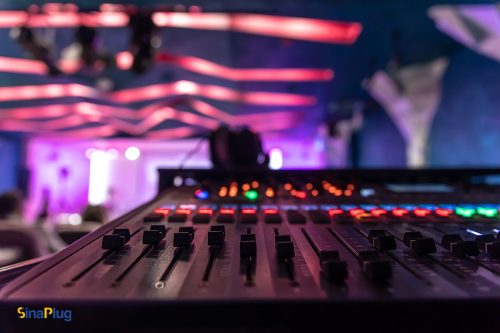
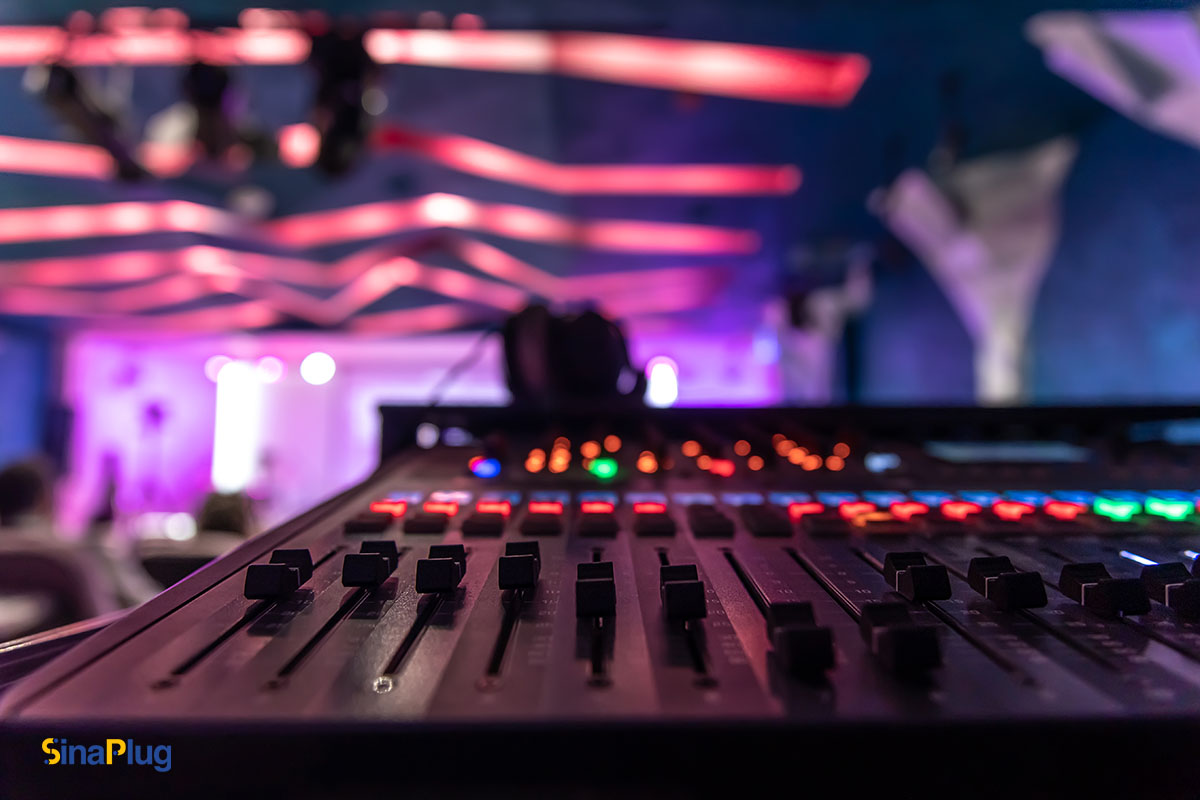
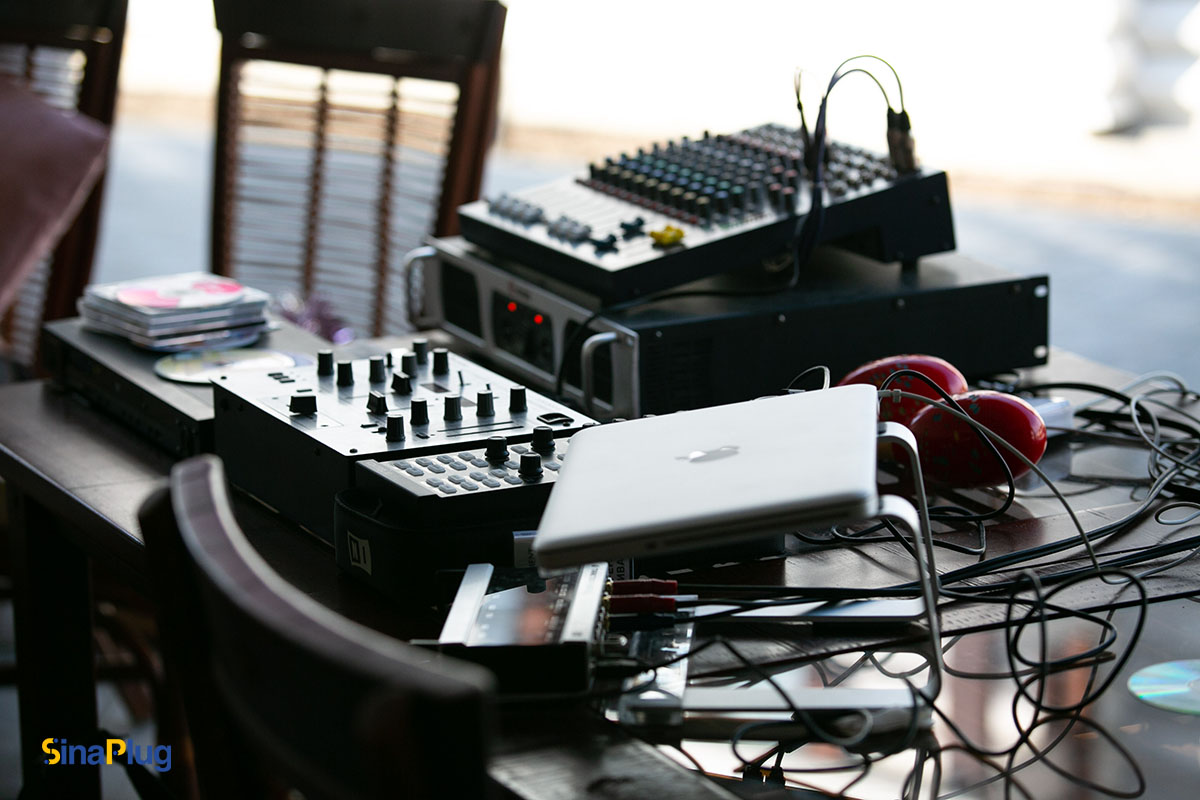
The DMX controller is the brain of the lighting system. It sends digital control signals to connected lighting fixtures, allowing users to adjust brightness, colors, movement, strobe effects, and other parameters.
Controllers range from simple hardware consoles with physical faders to advanced software-based systems that can manage hundreds of fixtures simultaneously. In professional environments such as theaters, concert venues, and broadcast studios, DMX controllers are used to create complex lighting scenes and automated sequences.
DMX Cables
DMX cables carry control signals from the controller to lighting fixtures and other DMX-compatible devices. These cables are specifically designed for reliable digital data transmission and help minimize signal loss and interference.
Most DMX systems use 3-pin or 5-pin XLR connectors. Fixtures are typically connected in a daisy-chain configuration, where the signal travels from one device to the next. Using proper DMX-rated cables instead of standard audio cables helps ensure stable communication throughout the system.
Lighting Fixtures
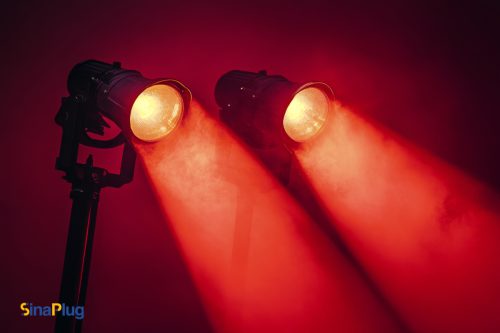
Lighting fixtures are the devices that receive DMX commands and produce the visual effects. Each fixture is assigned a DMX address, allowing the controller to communicate with it individually.
Common DMX-compatible fixtures include:
- Moving headlights
- LED PAR lights
- Wash lights
- Spotlights
- Beam lights
- Strobe lights
- Effect lights and fog machines
Depending on the fixture’s capabilities, it may use only a few DMX channels or dozens of channels for advanced control features.
DMX Decoder or Interface
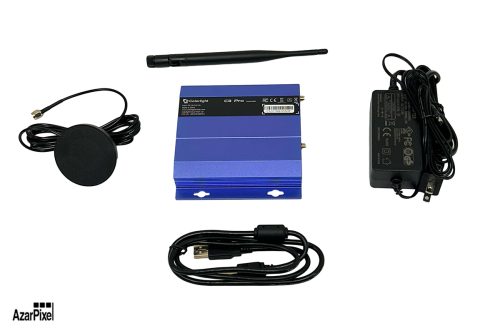
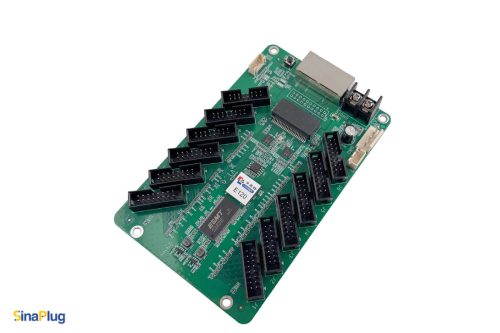
A DMX decoder converts DMX signals into commands that certain lighting products can understand. These devices are commonly used with LED strips, LED modules, and architectural lighting systems that do not have built-in DMX functionality.
For example, a DMX decoder can receive commands from a controller and translate them into RGB, RGBW, or pixel-based color control for LED installations. This allows lighting designers to integrate decorative and architectural lighting into a larger DMX-controlled system.
DMX Terminator
Although often overlooked, a DMX terminator is an important component in larger installations. It is placed at the end of a DMX chain to prevent signal reflections that can cause flickering, communication errors, or inconsistent fixture behavior.
DMX terminators are especially useful in long cable runs and systems with multiple connected fixtures.
Power Supply and Distribution
Every DMX lighting system also requires reliable power distribution. While DMX cables transmit control data, they do not typically provide power to fixtures. Each lighting device must receive adequate electrical power through dedicated power cables or power distribution units.
Proper power management helps ensure stable operation and protects equipment from voltage fluctuations and overloads.
DMX Channels Explained
Each lighting fixture uses channels:
- 1 channel → simple dimming
- Multiple channels → advanced control
Example:
- Channel 1: brightness
- Channel 2: color
- Channel 3: movement
Benefits of DMX Lighting Control
- Precise control
- Real-time adjustments
- Scalable systems
- Professional-level lighting design
Common DMX Setup Mistakes
Even a professional DMX lighting control system can experience problems if it is not configured correctly. Here are some of the most common mistakes to avoid:
Incorrect DMX Addressing
Each fixture must have the correct DMX address. If two devices share the same address or channel ranges overlap, lights may respond unexpectedly or fail to operate as intended.
Using Poor-Quality Cables
DMX signals require reliable data transmission. Using damaged or low-quality cables can cause flickering, signal loss, and communication errors between fixtures.
Signal Interference
Running DMX cables too close to power cables or electrical equipment can introduce interference. Proper cable routing helps maintain a stable signal throughout the system.
Overloading the DMX Chain
Connecting too many devices to a single DMX line can weaken the signal and affect performance. Larger installations may require DMX splitters or signal boosters to ensure reliable communication.
Missing a DMX Terminator
In longer cable runs, failing to install a DMX terminator at the end of the chain can cause signal reflections, resulting in unstable fixture behavior or flickering lights.
Build a Reliable DMX Lighting System with SinaPlug
Choosing the right equipment is essential for creating a dependable DMX lighting control system. SinaPlug offers a range of products and support to help you design, install, and maintain your lighting setup.
Our solutions include:
- DMX controllers for precise lighting management
- DMX cables and connectors for stable signal transmission
- LED lighting accessories and compatible components
- Technical support to help you select the right products for your project
Whether you’re working on a stage, event venue, architectural installation, or entertainment project, SinaPlug can help you build a lighting system that delivers reliable performance and professional results. You can ask for a free consultation easily through our website. Contact us today!